SELA App is the fortress where your identity lives. All documents—passports, ID cards, driver's licenses—are stored encrypted in your device's secure storage. Your private key is generated from a BIP39 12-word seed phrase locally and never transmitted.
Every share request is under your control: field-level selective disclosure, time-based access, instant revocation, and biometric confirmation for every action. On-device OCR, MRZ parsing, a local ZKP engine, and AES-256-GCM encryption keep everything inside your fortress.
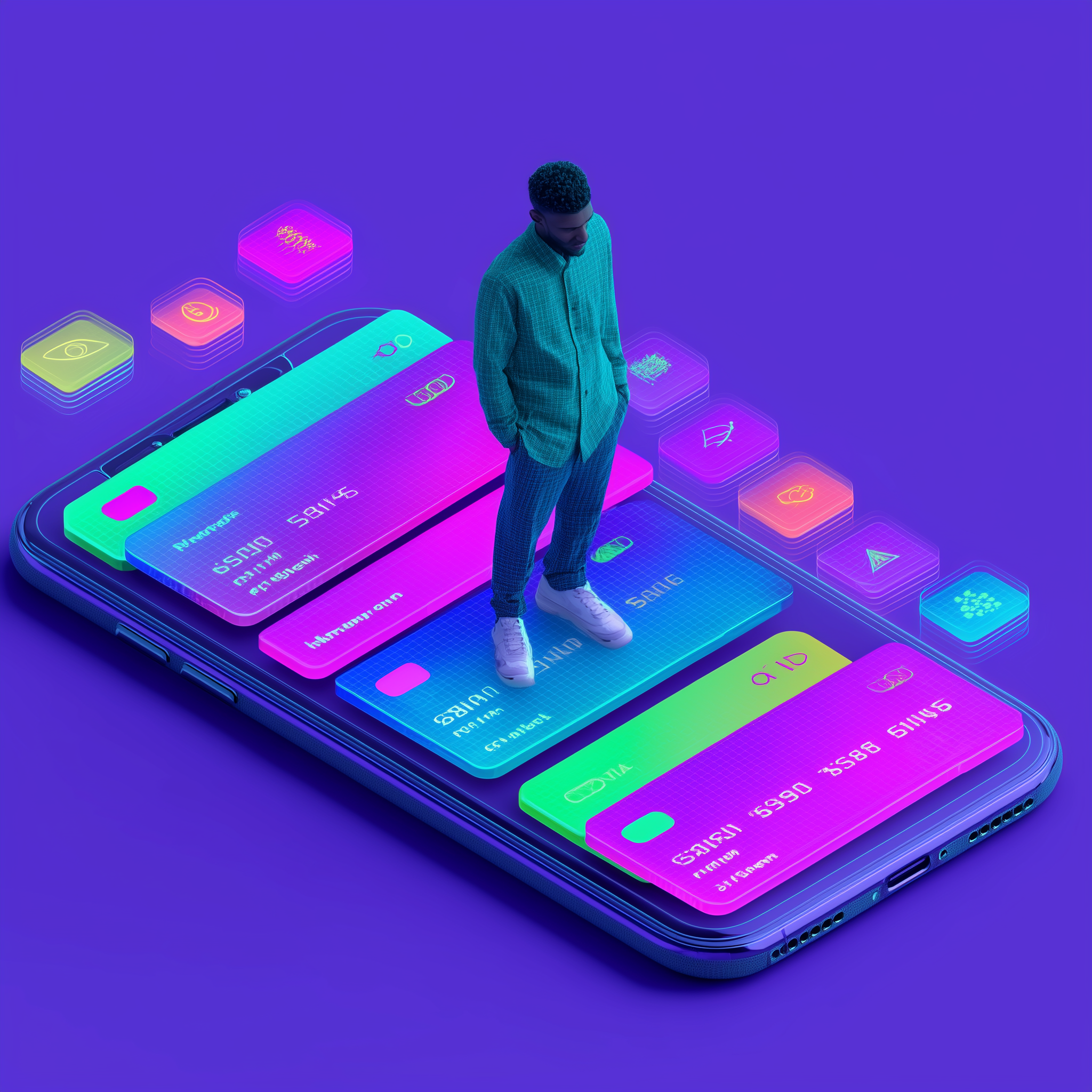
SELA Link replaces the data-hoarding CRM with a verification-first platform. Request "Doc or Proof" from your leads: a Zero-Knowledge Proof for simple checks, or a time-limited document view for full KYC compliance—without ever storing personal data on your servers.
Blockchain-anchored audit trails satisfy regulators, privacy-masked calls and emails protect both sides, and RESTful APIs plug SELA verification into Salesforce, HubSpot, or any custom platform.
SELA Server orchestrates every verification handshake in the ecosystem—validating organizations, routing requests, anchoring events on the Polygon blockchain—while storing only encrypted blobs it cannot decrypt. Decryption keys exist exclusively on user devices.
If SELA Server were breached tomorrow, the attacker would obtain nothing but opaque ciphertext and routing metadata. There is no plaintext identity data to steal—by design, not by policy.
SELA Connect is the entry point for the entire protocol. A "Connect with SELA" button or QR code initiates the full handshake: the server validates your organization, the user consents in the SELA App, and a ZKP or time-limited document view is generated instantly.
Built for crypto and forex platforms, it eliminates days-long onboarding and the insider threat: with zero server-side PII and privacy-masked contacts, employees can't steal what they can't see. AML compliant, GDPR native, MiFID II ready.
SELA Vault holds verified credentials, identity documents, and the private keys that anchor a user's decentralized identity. Everything is encrypted at rest on the device—hardware-backed by the Secure Enclave or Android Keystore, gated by biometrics, recoverable through MPC-based threshold recovery.
When an organization requests verification, the Vault releases only what the user consents to share: a zero-knowledge proof, an MRZ extract, or a time-limited document view. Never the raw record.